

Table of Contents
ToggleIntroduction
Receiving an unexpected phone call from a courthouse can be unsettling. Many people immediately worry about legal trouble, unpaid fines, or court appearances. If you have ever asked yourself, “why would King and Queen Courthouse call me?”, you are not alone. This question is increasingly common as courts, government offices, and even scammers rely more on phone communication.
King and Queen Courthouse, like many local courts in the United States, may contact residents for a variety of legitimate reasons. However, not every call claiming to be from a courthouse is genuine. Understanding the difference between official court communication and fraudulent calls is essential for protecting your rights, finances, and peace of mind.
In this in-depth guide, we will explore every possible reason why King and Queen Courthouse might call you, what the call could mean, how to verify its authenticity, and what steps you should take next. By the end of this article, you will feel informed and confident when handling such calls.
Why Would King and Queen Courthouse Call Me?
The most important thing to understand is that courthouses do not make random calls. If King and Queen Courthouse contacts you, there is usually a specific administrative, legal, or civic reason behind it. These reasons can range from routine matters like jury duty to more serious legal notifications.
Below, we break down the most common explanations in detail.
Jury Duty Notification or Follow-Up
One of the most common reasons people ask why would King and Queen Courthouse call me is related to jury duty.
Courts often contact residents regarding:
-
Jury summons confirmation
-
Missed jury duty notices
-
Questions about eligibility or availability
-
Last-minute scheduling changes
While jury summons are typically sent by mail, a follow-up phone call may occur if:
-
You did not respond to the mailed notice
-
Your information was incomplete
-
The court needs urgent confirmation
These calls are usually brief and informational. The court will not ask for sensitive financial information over the phone.
Court Case Involvement or Legal Matters
Another major reason King and Queen Courthouse might call you is involvement in a court case, even if you are not the defendant.
This may include:
-
Being listed as a witness
-
Being a party to a civil case
-
Serving as a reference or related individual
-
Needing clarification on filed documents
In these cases, the courthouse may call to confirm your identity, availability, or address. Sensitive details are usually handled through official written notices rather than phone calls.
Missed Court Appearance or Administrative Error
Sometimes, a call is made due to a misunderstanding or clerical issue. If you missed a scheduled court appearance—intentionally or unintentionally—the court may contact you to resolve the issue before escalating it further.
Administrative calls may also occur if:
-
Paperwork was filed incorrectly
-
A form is missing information
-
A payment was misapplied
If you wonder why would King and Queen Courthouse call me when I have done nothing wrong, this is often the explanation.
Payment Issues, Fines, or Fees
Courts may contact individuals regarding outstanding payments such as:
-
Traffic fines
-
Court fees
-
Filing costs
-
Restitution payments
However, it is important to note that legitimate courthouses typically do not demand immediate payment over the phone, especially via gift cards, wire transfers, or prepaid cards. Any call requesting urgent payment should be treated with caution.
Property, Probate, or Estate Matters
If you are involved in property ownership, inheritance, or estate administration, the courthouse may contact you regarding:
-
Probate proceedings
-
Property disputes
-
Land records
-
Estate documentation
In these situations, a phone call may be used to notify you of required documents or upcoming hearings, followed by official written communication.
Being Contacted as a Witness or Juror in a Case
Even if you have never been to court, you may still receive a call if your name appears in a case file. Witnesses are often contacted to:
-
Confirm availability
-
Verify contact information
-
Schedule testimony
This is another common reason people search why would King and Queen Courthouse call me unexpectedly.
Scams Impersonating King and Queen Courthouse
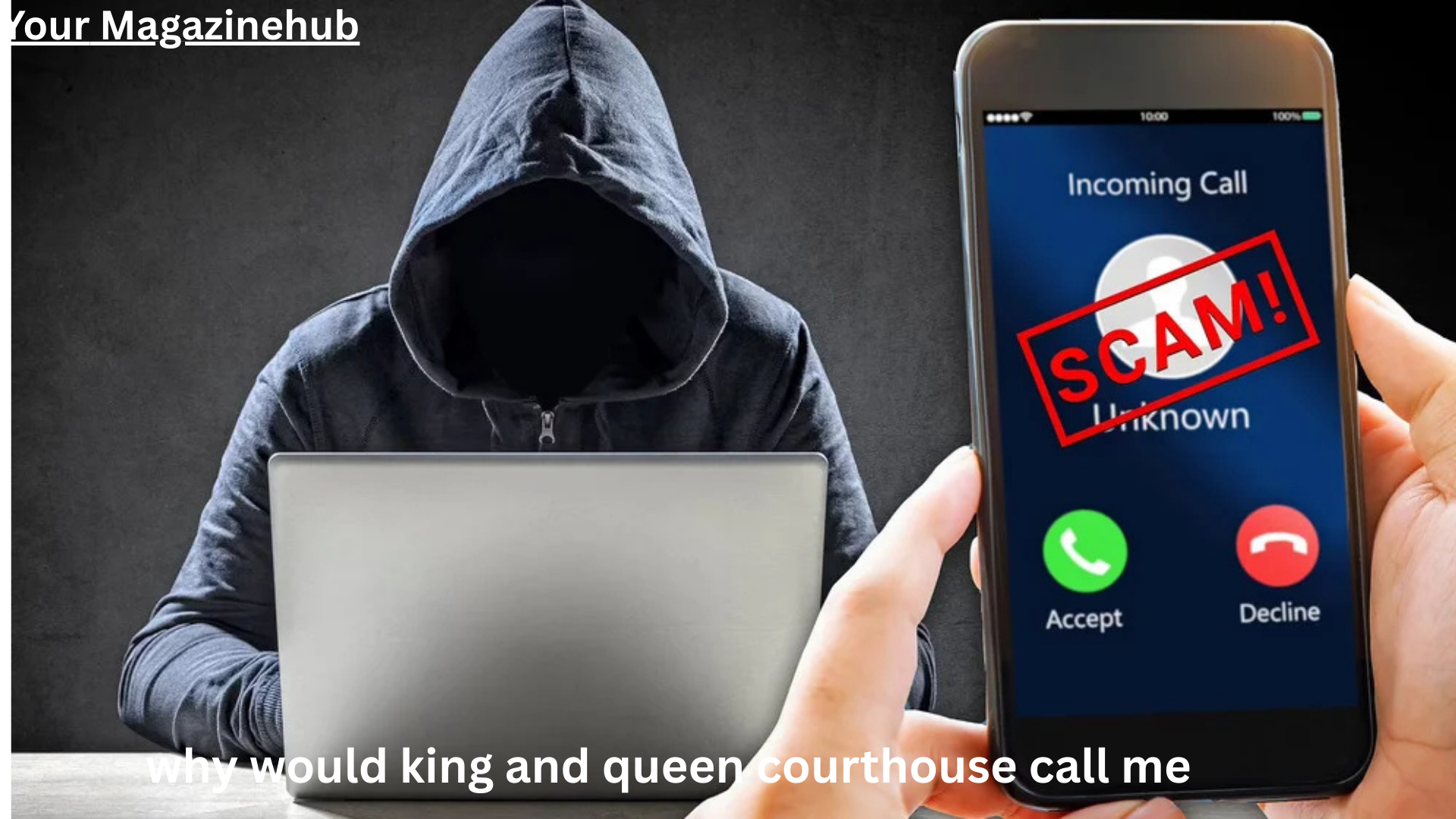
Unfortunately, not all calls claiming to be from a courthouse are legitimate. Court impersonation scams are increasingly common.
Scammers may:
-
Claim you missed jury duty
-
Threaten arrest if you do not pay immediately
-
Demand payment through unusual methods
-
Use caller ID spoofing to appear official
Real courthouses do not:
-
Threaten arrest over the phone
-
Demand instant payment
-
Ask for Social Security numbers or bank details
If a call feels aggressive or urgent, it is likely a scam.
How to Verify If the Call Is Legitimate
If you are unsure why would King and Queen Courthouse call me, verification is crucial.
Follow these steps:
-
Hang up and do not share personal information
-
Look up the official phone number of King and Queen Courthouse
-
Call the number directly to ask if they attempted to contact you
-
Ask for written confirmation by mail
-
Keep a record of the call details
Legitimate court staff will understand your caution and cooperate with verification requests.
Should You Call Back King and Queen Courthouse?
Yes, but only using official contact information. Never return a call using the number provided in a suspicious voicemail. Always verify the courthouse number from a trusted source such as:
-
The official county website
-
Government directories
-
Previous legitimate court documents
Calling back safely can quickly clarify why the courthouse attempted to reach you.
What Information Can the Courthouse Ask For?
Courts may ask for:
-
Your full name
-
Confirmation of address
-
Case number (if applicable)
They typically will not ask for:
-
Credit card numbers
-
Banking information
-
Social Security numbers
-
Passwords or PINs
Knowing this helps protect you from fraud.
What Happens If You Ignore the Call?
Ignoring a legitimate courthouse call may lead to:
-
Missed jury duty penalties
-
Delayed legal proceedings
-
Escalation through formal notices
-
Additional fines in rare cases
If you missed a call, it is better to verify and respond appropriately rather than assume it was unimportant.
Frequently Asked Questions (FAQs)
Why would King and Queen Courthouse call me about jury duty?
The courthouse may call to confirm your availability, correct an issue with your jury summons, or follow up if you did not respond to a mailed notice.
Can King and Queen Courthouse call me without sending a letter?
Yes, but official matters are usually followed by written documentation. Phone calls are often used for clarification or urgent communication.
Is it normal for a courthouse to leave a voicemail?
Yes, legitimate courthouses may leave voicemails, but they typically avoid sensitive details and do not request payments in the message.
How do I know if the call is a scam?
If the caller demands immediate payment, threatens arrest, or asks for personal financial information, it is almost certainly a scam.
Should I answer calls from King and Queen Courthouse?
You may answer, but avoid sharing sensitive information. If unsure, hang up and call back using the official courthouse number.
Can ignoring the call get me in trouble?
Ignoring a legitimate court call may cause complications, especially with jury duty or legal matters. Verification is always recommended.
Conclusion
If you have been asking yourself why would King and Queen Courthouse call me, the answer is usually far less alarming than it first appears. In most cases, the call relates to routine civic duties, administrative matters, or legal processes that simply require clarification or confirmation.
At the same time, it is important to remain cautious due to the rise in courthouse impersonation scams. Knowing how real courts communicate, what information they request, and how to verify calls empowers you to respond confidently and safely.
By understanding the legitimate reasons behind these calls and taking the right steps to verify them, you can protect yourself while fulfilling your civic and legal responsibilities responsibly.

