

Introduction
The turning point halftime show is more than just a break in the action—it is a defining moment that can reshape the outcome of a game, influence player morale, and energize fans worldwide. While halftime shows are traditionally associated with entertainment, performances, and analysis, some halftime moments go far beyond spectacle. They mark the instant when momentum shifts, strategies are redefined, and history is rewritten.
In modern sports culture, the turning point halftime show has become a symbol of transformation. Whether driven by a powerful locker-room speech, a tactical adjustment, or an unforgettable performance that ignites the crowd, halftime can be the dividing line between defeat and victory. This article explores the origins, significance, psychology, and lasting impact of the turning point halftime show across sports and entertainment.
What Is a Turning Point Halftime Show?
A turning point halftime show refers to a halftime moment—either on the field, on stage, or behind the scenes—that dramatically changes the direction of a game or event. Unlike traditional halftime entertainment that exists purely for audience enjoyment, a turning point halftime show creates a shift in momentum, confidence, and performance.
This turning point can happen in multiple ways:
-
A coach delivers a game-changing strategy
-
Players regroup and regain belief
-
A live performance electrifies the stadium
-
Fans create an overwhelming atmosphere of support
The result is a second half that looks entirely different from the first.
The Historical Evolution of Halftime Shows
Halftime breaks were originally practical pauses meant for rest and basic analysis. Over time, they evolved into entertainment segments designed to engage audiences and advertisers.
In early sports history:
-
Halftime involved minimal analysis
-
No large-scale performances existed
-
Strategy discussions were informal
As television coverage expanded, halftime became a critical storytelling moment. Networks began using the break to analyze tactics, replay key moments, and build anticipation. Eventually, the halftime show became a platform where momentum could be altered—laying the foundation for the modern turning point halftime show.
Why the Turning Point Halftime Show Matters
The turning point halftime show matters because it sits at the crossroads of psychology, strategy, and performance. Athletes are physically tired, emotionally vulnerable, and mentally open to change.
Key reasons it is so impactful include:
-
Mental reset: Players can let go of mistakes
-
Strategic recalibration: Coaches adjust formations and tactics
-
Emotional motivation: Passion and belief are restored
-
Crowd energy: Fans re-engage with renewed excitement
When all these elements align, the second half becomes a completely different contest.
Psychological Impact on Players
The psychological element of the turning point halftime show cannot be overstated. Confidence is often the deciding factor between winning and losing.
During halftime:
-
Self-doubt can be replaced with belief
-
Pressure can be reframed as opportunity
-
Team unity can be strengthened
A powerful halftime message can convince players that the game is still within reach, even when the scoreboard suggests otherwise. Many legendary comebacks are rooted in halftime belief rather than physical superiority.
Strategic Adjustments That Define Turning Points
One of the most overlooked aspects of the turning point halftime show is tactical evolution. Coaches use halftime to:
-
Identify weaknesses in the opponent
-
Adjust defensive or offensive schemes
-
Change pacing and player roles
Often, a subtle change—such as a formation tweak or defensive switch—can neutralize an opponent’s advantage. These adjustments, made during halftime, frequently define the outcome of the game.
Entertainment as a Catalyst for Momentum
In high-profile events, especially championship games, the halftime show itself can serve as the turning point. Music, visuals, and crowd interaction can dramatically shift the atmosphere.
A powerful performance can:
-
Re-energize tired fans
-
Create emotional highs
-
Intimidate visiting teams
This phenomenon explains why some teams perform better after an electrifying halftime show, even if the performance has no direct connection to the players.
Iconic Examples of Turning Point Halftime Shows
Throughout sports history, many iconic moments are remembered as turning point halftime shows. These include:
-
Teams rallying after motivational speeches
-
Underdogs gaining belief through crowd support
-
Strategic masterstrokes that surprise opponents
While each example is unique, they share one common trait: the halftime break became the moment where the narrative changed.
Media and Fan Influence
Media coverage amplifies the impact of the turning point halftime show. Analysts dissect the first half, often framing the second half as a potential comeback story.
Fans also play a crucial role:
-
Social media buzz creates momentum
-
Live crowd reactions influence player energy
-
Shared belief spreads rapidly
The modern turning point halftime show exists not only in the stadium but also across digital platforms.
The Business and Branding Side
From a commercial standpoint, the turning point halftime show is incredibly valuable. Brands seek association with moments of transformation and triumph.
Advertisers leverage halftime by:
-
Aligning with emotional storytelling
-
Promoting messages of resilience and change
-
Capitalizing on peak audience attention
This makes halftime one of the most expensive and influential segments in sports broadcasting.
How Coaches Prepare for Halftime Turning Points
Elite coaches plan for halftime long before the game begins. Preparation includes:
-
Pre-planned adjustment scenarios
-
Psychological messaging frameworks
-
Leadership delegation among players
By anticipating different game states, coaches can quickly pivot and maximize the impact of the turning point halftime show.
The Role of Leadership in Halftime Moments
Team leaders often emerge during halftime. Captains and veterans help translate strategy into belief.
Effective leadership during halftime involves:
-
Accountability without blame
-
Encouragement without denial of reality
-
Clear focus on immediate goals
These leadership moments frequently define the turning point halftime show more than any tactical change.
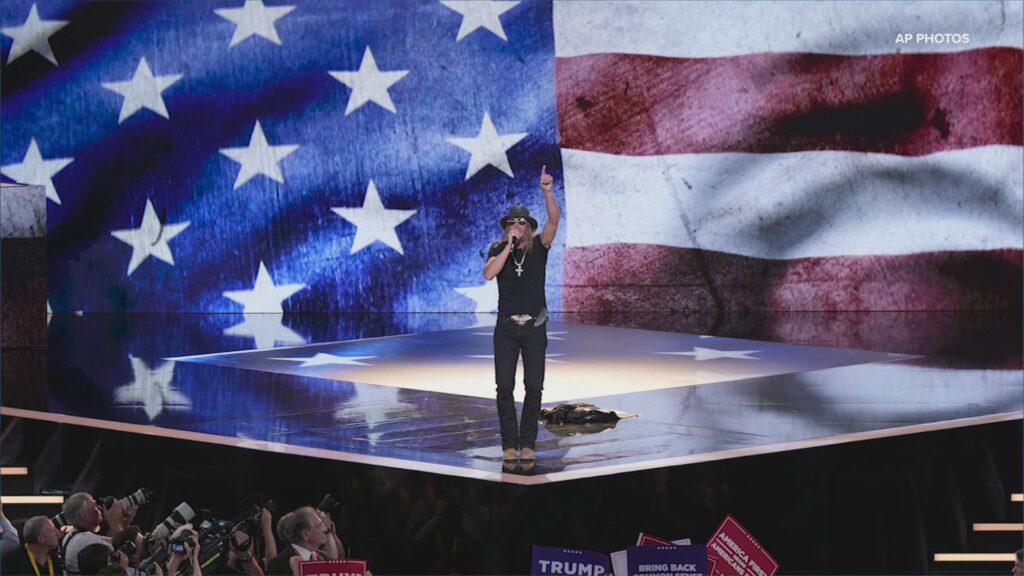
Turning Point Halftime Show in Different Sports
The concept applies across sports:
-
Football: Tactical shifts and emotional rallies
-
Basketball: Tempo changes and defensive intensity
-
Soccer: Formation changes and pressing strategies
-
Hockey: Line adjustments and mental resets
Each sport adapts the turning point halftime show to its unique rhythm and structure.
Frequently Asked Questions (FAQs)
What makes a halftime show a turning point?
A halftime show becomes a turning point when it significantly changes momentum, mindset, or strategy, leading to a noticeably different second-half performance.
Is the turning point halftime show always about entertainment?
No. While entertainment can influence energy, many turning point halftime shows happen behind the scenes through coaching, strategy, and motivation.
Can a team plan a turning point halftime show in advance?
Teams can prepare frameworks and strategies, but the true turning point depends on how players respond emotionally and mentally during halftime.
Do fans really influence the turning point halftime show?
Yes. Crowd energy and fan engagement can elevate confidence, increase pressure on opponents, and reinforce belief among players.
Why is halftime psychology so important?
Halftime is when emotions peak and minds are most open to change, making it the ideal moment to reset confidence and focus.
Conclusion
The turning point halftime show represents the powerful intersection of strategy, psychology, and emotion. It is the moment where games are not just continued, but transformed. Whether driven by a coach’s vision, a leader’s voice, or an unforgettable performance, halftime has the unique ability to rewrite outcomes.
In sports and entertainment alike, the turning point halftime show reminds us that no situation is final, momentum is fragile, and belief can change everything. As audiences continue to seek drama, inspiration, and unforgettable moments, the turning point halftime show will remain one of the most compelling elements of competitive storytelling.
Also Read: Why Would King and Queen Courthouse Call Me
1 thought on “Turning Point Halftime Show: The Moment That Changed the Game”