
Introduction
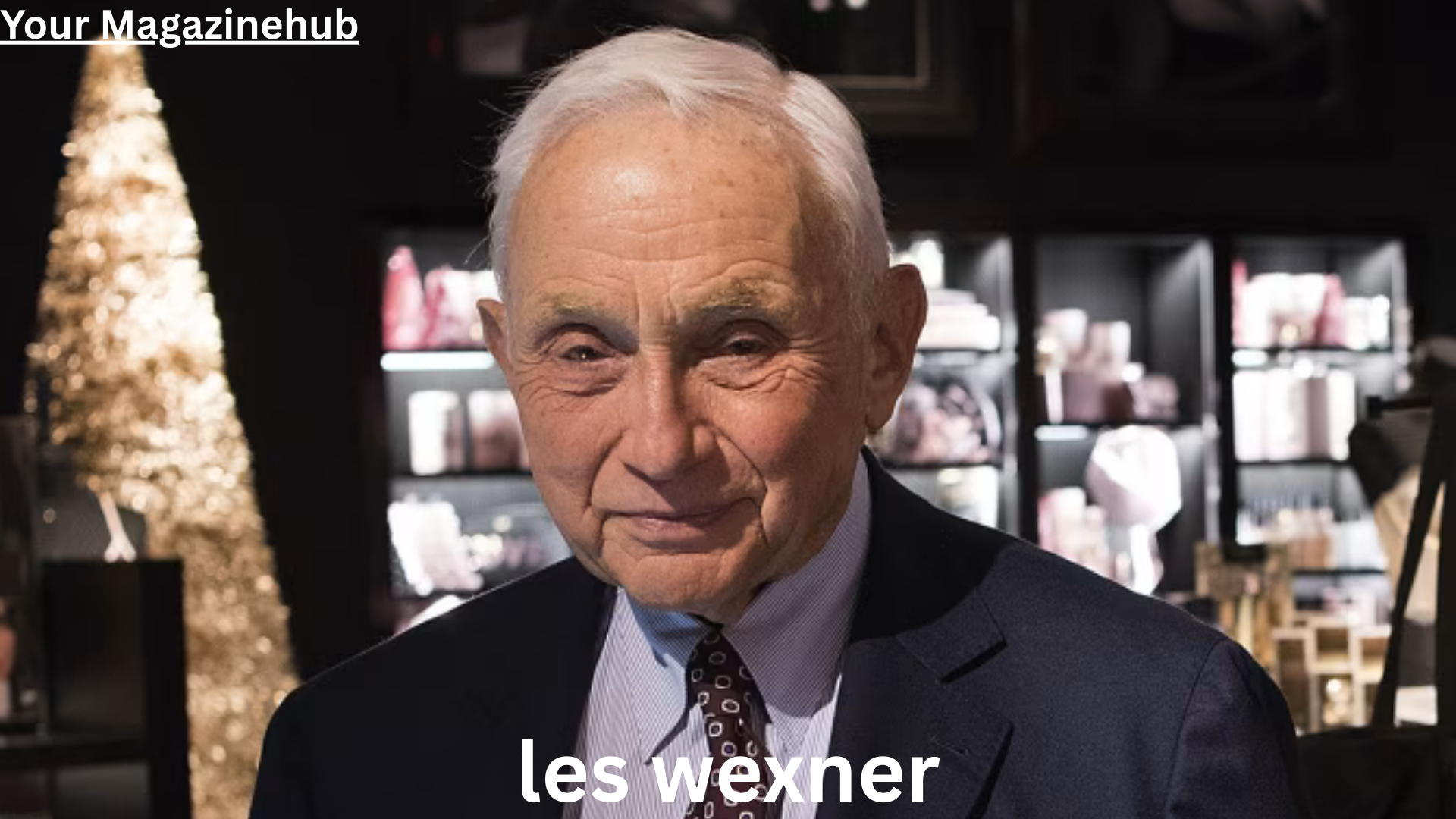
Les Wexner is one of the most influential figures in American retail history. Known as the founder of L Brands, formerly The Limited, Wexner built an empire that included iconic brands such as Victoria’s Secret and Bath & Body Works. Over decades, he shaped the way Americans shop, influenced global fashion trends, and became a notable philanthropist. Yet, Wexner’s career is not without controversy, with his business connections and leadership decisions often under intense scrutiny. This article provides a comprehensive exploration of Les Wexner—from his early life to his business achievements, controversies, and enduring legacy.
Early Life and Background of Les Wexner
Les Wexner was born on September 8, 1937, in Dayton, Ohio, into a middle-class Jewish family. From an early age, he exhibited entrepreneurial tendencies. Growing up, Wexner observed the power of business in providing opportunities and shaping communities, which later influenced his ambitious career path.
Wexner attended Ohio State University, where he earned a degree in business administration. His education gave him a solid foundation in accounting, finance, and management—skills that would prove essential in his retail career. After graduation, Wexner took a modest loan from his family and opened his first store, which would eventually evolve into The Limited.
Building The Limited: Les Wexner’s Breakthrough
In 1963, Les Wexner founded The Limited, a small clothing store in Columbus, Ohio. His vision was to cater to the modern, career-oriented woman, providing affordable yet fashionable clothing. The concept was revolutionary at the time, as it combined accessibility with style.
The Limited grew quickly, thanks to Wexner’s keen understanding of consumer behavior. He emphasized customer experience, store layout, and marketing strategies that spoke directly to the desires of young women. This early success laid the foundation for Wexner’s later ventures and established him as a formidable retail strategist.
Expansion of L Brands
By the 1980s, Les Wexner had transformed The Limited into L Brands, a retail conglomerate with multiple brands under its umbrella. L Brands’ portfolio expanded to include Victoria’s Secret, Bath & Body Works, Henri Bendel, and Abercrombie & Fitch (during certain periods).
Victoria’s Secret
Victoria’s Secret became the crown jewel of Wexner’s empire. Founded in 1977 by Roy Raymond, Wexner acquired it in the early 1980s. He recognized the untapped potential of the lingerie market and repositioned Victoria’s Secret as a brand synonymous with glamour, sex appeal, and aspirational lifestyle.
Wexner pioneered marketing campaigns, catalogs, and store experiences that made Victoria’s Secret a household name. By the 1990s, Victoria’s Secret dominated the lingerie market and became a symbol of American fashion culture.
Bath & Body Works
Another major success under Wexner’s leadership was Bath & Body Works. Launched in 1990, the brand focused on personal care products and home fragrances. Wexner applied his retail philosophy of consumer-centric design and aggressive marketing, turning the brand into a multi-billion-dollar enterprise.
Business Philosophy and Leadership Style
Les Wexner’s success can be attributed to his unique business philosophy and leadership style. He was known for being intensely detail-oriented, with a hands-on approach to operations. Wexner emphasized:
-
Customer-centric strategies: Understanding consumer behavior was central to every business decision.
-
Brand development: Wexner knew how to position brands to create emotional connections with customers.
-
Operational efficiency: He focused on streamlining logistics, supply chains, and inventory management.
-
Talent cultivation: Wexner was known for identifying and nurturing talented executives, including many who became influential in the retail industry.
Despite his corporate dominance, Wexner maintained a low public profile, often letting his brands speak for themselves.
Philanthropy and Civic Engagement
Beyond retail, Les Wexner has been an influential philanthropist. Through the Les Wexner Foundation, he has donated hundreds of millions of dollars to causes including education, healthcare, Jewish community programs, and scientific research.
Significant contributions include funding for Ohio State University, the Wexner Center for the Arts, and initiatives supporting Jewish education worldwide. Wexner’s philanthropic efforts reflect his belief in giving back to the community and creating lasting societal impact.
Controversies Surrounding Les Wexner
While widely admired for his business acumen, Wexner has faced controversies, particularly linked to his association with Jeffrey Epstein. Wexner had a longstanding professional and personal relationship with Epstein, who managed his finances for years.
Media investigations and legal scrutiny raised questions about Wexner’s oversight of Epstein and how such a relationship developed. Wexner has publicly stated that he severed ties with Epstein and expressed regret over the association. These controversies have added a complex layer to Wexner’s legacy, prompting debates about corporate accountability and personal judgment.
Net Worth and Financial Achievements
At the height of his career, Les Wexner was one of America’s wealthiest individuals. His net worth was estimated at over $5 billion, primarily derived from L Brands. Wexner’s wealth was a testament to his visionary approach to retail, acquisitions, and brand management.
His financial success also enabled him to make significant philanthropic contributions, further enhancing his influence beyond the business world.
Les Wexner’s Legacy in Retail
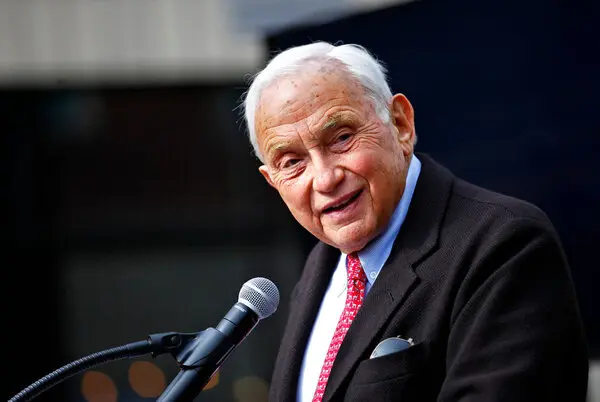
Les Wexner’s influence on modern retail is undeniable. Key aspects of his legacy include:
-
Revolutionizing women’s retail: Wexner’s strategies made stylish, affordable clothing accessible to a wide audience.
-
Innovative branding: He demonstrated how brands could evoke lifestyle aspirations, not just products.
-
Retail operations model: Many contemporary retailers adopt the operational and marketing principles first implemented by Wexner.
-
Mentorship and leadership development: Wexner’s training of executives created a new generation of retail leaders.
Even after stepping down as CEO of L Brands, Wexner’s impact continues to shape the retail industry globally.
Frequently Asked Questions (FAQs)
Q1: Who is Les Wexner?
Les Wexner is an American businessman and philanthropist, founder of L Brands, known for iconic brands like Victoria’s Secret and Bath & Body Works.
Q2: What companies did Les Wexner own?
He owned The Limited, Victoria’s Secret, Bath & Body Works, Henri Bendel, and held stakes in several other retail brands through L Brands.
Q3: What is Les Wexner’s net worth?
At his peak, Les Wexner’s net worth was estimated at over $5 billion, largely from his ownership of L Brands.
Q4: Why was Les Wexner controversial?
He faced scrutiny due to his professional association with Jeffrey Epstein, who managed his finances and was later involved in criminal activities.
Q5: Is Les Wexner involved in philanthropy?
Yes, through the Les Wexner Foundation, he has donated extensively to education, healthcare, the arts, and Jewish causes.
Q6: When did Les Wexner retire?
Les Wexner stepped down as CEO of L Brands in February 2020 but remains influential in philanthropic and business circles.
Conclusion
Les Wexner’s life is a complex tapestry of business brilliance, brand innovation, philanthropy, and controversy. He reshaped American retail, leaving an indelible mark on the fashion industry while also navigating challenging personal and professional associations. His story serves as both a blueprint for entrepreneurial success and a cautionary tale about the responsibilities that come with power and wealth.
From humble beginnings in Dayton, Ohio, to leading one of the most influential retail empires in the world, Les Wexner’s journey continues to captivate and inspire aspiring entrepreneurs, business leaders, and philanthropists worldwide.
Also Read: Coco Jones Tour
1 thought on “Les Wexner: The Life, Legacy, and Business Empire of a Retail Icon”