
Introduction
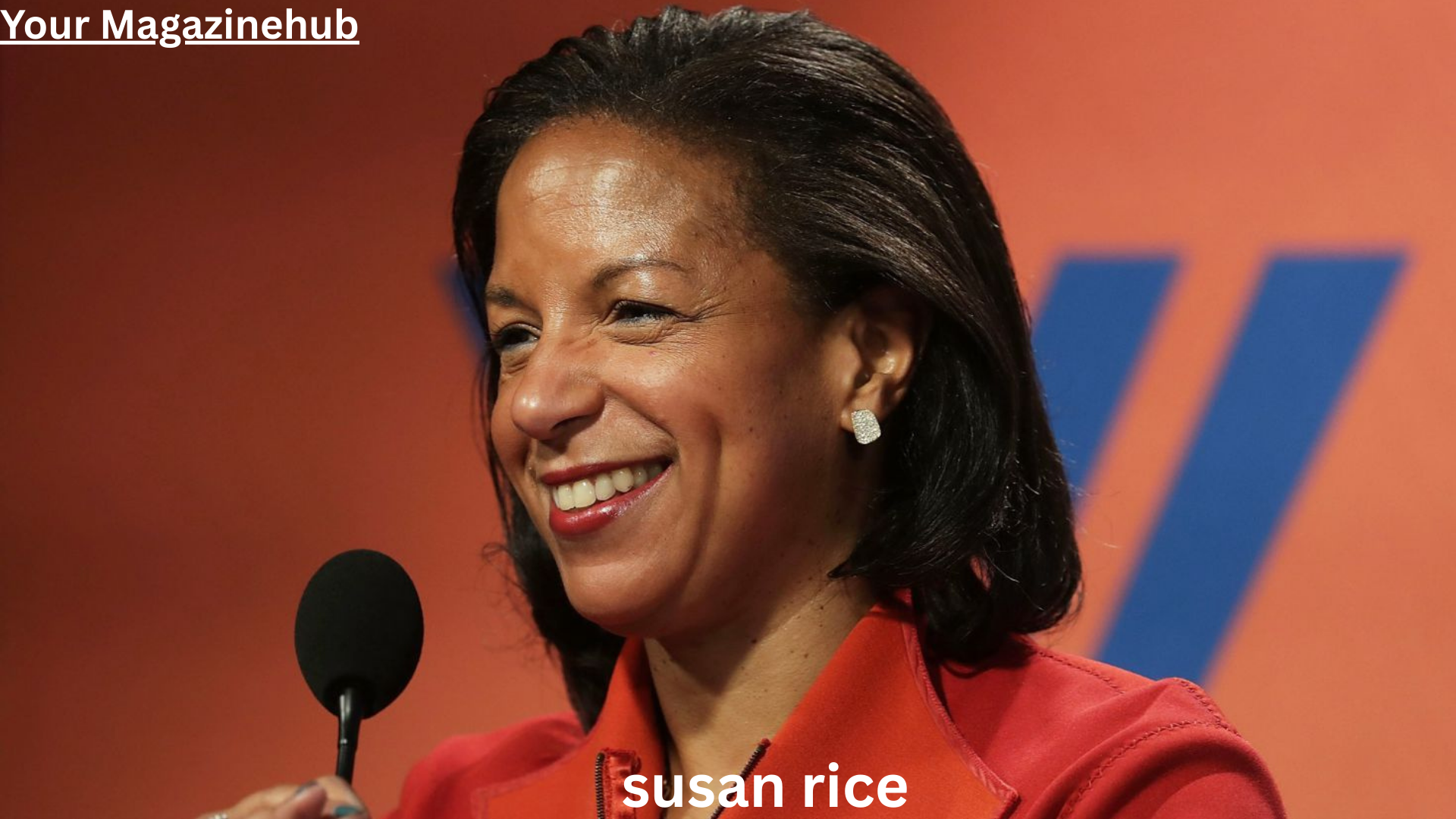
Susan Rice is one of the most influential American foreign policy figures of the 21st century. Over the course of her distinguished career, Susan Rice has served in multiple high-profile roles, including United States Ambassador to the United Nations and National Security Advisor. Known for her deep expertise in international affairs, strategic thinking, and strong advocacy for diplomacy, Susan Rice has played a central role in shaping U.S. foreign policy across several presidential administrations.
From her early years in Washington, D.C., to her tenure in the White House, Susan Rice’s journey reflects dedication to public service, intellectual rigor, and leadership on the global stage. This article explores her background, education, career milestones, controversies, achievements, and lasting legacy in American politics and diplomacy.
Early Life and Education
Susan Rice was born on November 17, 1964, in Washington, D.C., into a family deeply connected to public service and education. Her father, Emmett J. Rice, was an economist and served as a governor of the Federal Reserve. Her mother, Lois Dickson Rice, was a policy scholar and education advocate. Growing up in such an intellectually vibrant household greatly influenced Susan Rice’s future ambitions.
Rice attended Stanford University, where she earned a Bachelor of Arts degree in history. She graduated with honors and was later awarded a Rhodes Scholarship, one of the most prestigious academic honors in the world. As a Rhodes Scholar, she studied at the University of Oxford, earning a Master of Philosophy and Doctor of Philosophy in international relations.
Her academic background in global politics and economics laid the foundation for her later work in foreign policy and diplomacy.
Early Career in Government
Susan Rice began her professional career in consulting but soon moved into public service. During the presidency of Bill Clinton, she joined the National Security Council staff in 1993. Her work focused heavily on African affairs, an area that would remain central throughout her career.
In 1997, at just 32 years old, Susan Rice was appointed Assistant Secretary of State for African Affairs. In this role, she dealt with complex issues including civil conflicts, democratic transitions, and U.S.-Africa relations. Her tenure included difficult moments, particularly concerning U.S. policy toward Rwanda and the Democratic Republic of Congo.
Despite challenges, Rice earned recognition for her commitment to strengthening diplomatic ties and promoting peace initiatives across the African continent.
Susan Rice as U.S. Ambassador to the United Nations
In 2009, President Barack Obama nominated Susan Rice to serve as U.S. Ambassador to the United Nations. The Senate confirmed her, and she became a key voice for the United States at the UN.
As Ambassador, Susan Rice advocated for multilateral cooperation and worked on major international issues, including:
-
Sanctions against Iran and North Korea
-
The international response to the Libyan civil war
-
Humanitarian aid initiatives
-
Climate change agreements
-
Global health security
Rice was known for her assertive style at the United Nations. She strongly defended U.S. interests while pushing for collaborative international solutions. Her tenure coincided with a period of intense global challenges, including the Arab Spring and growing geopolitical tensions.
Her work at the UN strengthened her reputation as a leading diplomat with global influence.
National Security Advisor
In 2013, Susan Rice transitioned from the United Nations to the White House, where she served as National Security Advisor under President Obama. This role placed her at the center of U.S. national security decision-making.
As National Security Advisor, Susan Rice coordinated policy across defense, intelligence, and diplomatic agencies. Her portfolio included:
-
Counterterrorism strategy
-
U.S.-China relations
-
The Iran nuclear negotiations
-
Cybersecurity policy
-
Military operations against ISIS
One of the most significant diplomatic achievements during this period was the Iran nuclear deal, formally known as the Joint Comprehensive Plan of Action (JCPOA). While controversial domestically, the agreement was seen by supporters as a diplomatic breakthrough aimed at preventing nuclear proliferation.
Rice’s leadership style was often described as direct and analytical. She played a central role in shaping foreign policy during a transformative period in global politics.
Controversies and Criticism
Like many high-ranking public officials, Susan Rice faced controversy during her career. One of the most notable incidents involved the 2012 attack on the U.S. diplomatic compound in Benghazi, Libya. Rice appeared on several Sunday news programs shortly after the attack and presented initial intelligence assessments that later became subjects of political debate.
Critics questioned her statements, while supporters argued that she was relying on information available at the time. The controversy affected her potential nomination for Secretary of State, and she ultimately withdrew her consideration for the position.
Despite political criticism, Susan Rice continued to serve as National Security Advisor and remained a prominent figure in U.S. foreign policy circles.
Domestic Policy Role Under President Biden
In 2021, President Joe Biden appointed Susan Rice as Director of the Domestic Policy Council. This marked a shift from her traditional focus on foreign affairs to domestic policy issues.
In this role, she addressed:
-
Racial equity initiatives
-
Healthcare access
-
Immigration reform
-
Education policy
-
COVID-19 recovery programs
Her transition demonstrated her versatility as a policymaker. Susan Rice’s ability to adapt to domestic challenges highlighted her broad governance experience and strategic thinking.
Leadership Style and Political Philosophy
Susan Rice is widely recognized for her strong advocacy of multilateral diplomacy. She believes in working with allies and international institutions to address global challenges. Her policy approach emphasizes:
-
Strategic alliances
-
Democratic values
-
Human rights promotion
-
Preventive diplomacy
-
Evidence-based policymaking
Supporters praise her intellectual rigor and commitment to global engagement. Critics sometimes view her as overly interventionist or closely aligned with establishment foreign policy perspectives.
Regardless of political opinion, Susan Rice remains a significant voice in American political discourse.
Impact on U.S.-Africa Relations
One of Susan Rice’s most enduring policy focuses has been Africa. Throughout her career, she worked extensively on African political stability, economic development, and health initiatives.
During the Obama administration, she supported initiatives such as:
-
Strengthening democratic governance
-
Promoting trade and investment partnerships
-
Addressing public health crises like Ebola
-
Encouraging regional security cooperation
Her experience in African affairs set her apart from many U.S. policymakers and contributed to broader awareness of the continent’s strategic importance.
Personal Life
Susan Rice is married to Ian Cameron, a Canadian-born television producer. The couple has two children. Despite her high-profile career, Rice has maintained a relatively private family life.
Outside of government, she has participated in academic discussions, policy think tanks, and public speaking engagements. Her insights are frequently sought in debates about international relations and national security.
Awards and Recognition
Over the years, Susan Rice has received numerous honors for her public service. These include academic awards, honorary degrees, and recognition from foreign policy organizations. Her Rhodes Scholarship remains one of her most notable early achievements.
Her career trajectory—from Assistant Secretary of State to National Security Advisor—demonstrates sustained influence in American governance.
Media Presence and Public Perception
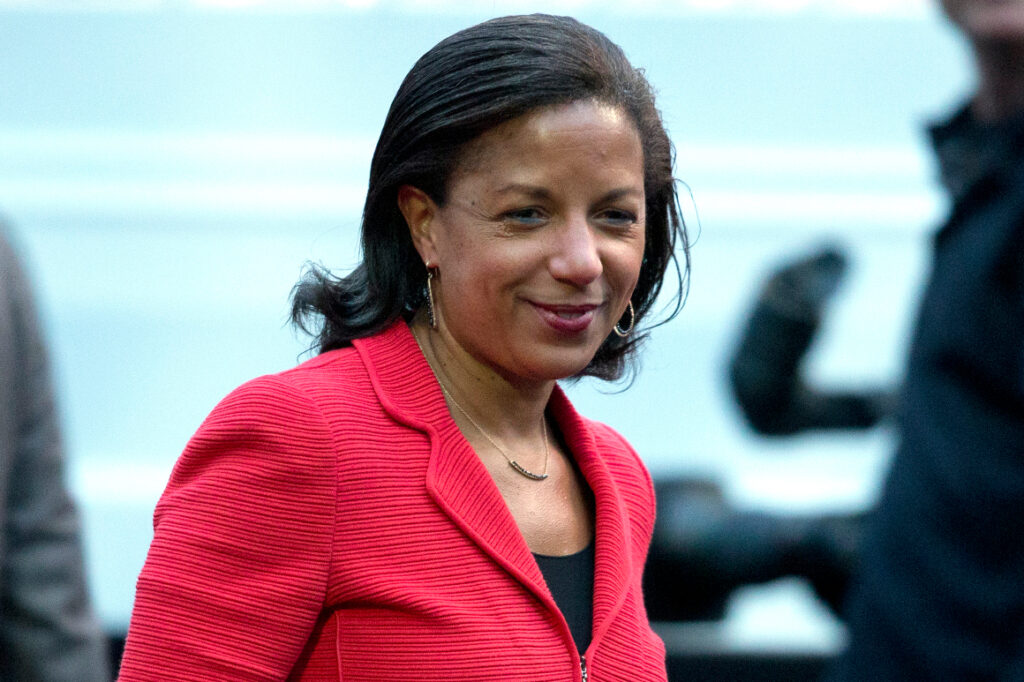
Susan Rice has appeared regularly in major media outlets to discuss foreign and domestic policy issues. She has also authored opinion pieces and contributed to policy forums.
Public perception of Susan Rice varies across political lines. While many view her as a skilled diplomat and seasoned leader, others critique her policy decisions during controversial international crises. Nonetheless, she continues to play an active role in political discussions.
Frequently Asked Questions (FAQs)
Who is Susan Rice?
Susan Rice is an American diplomat and policymaker who served as U.S. Ambassador to the United Nations and National Security Advisor under President Barack Obama. She later served as Director of the Domestic Policy Council under President Joe Biden.
What is Susan Rice known for?
Susan Rice is known for her leadership in U.S. foreign policy, particularly at the United Nations, her role in national security strategy, and her involvement in major diplomatic efforts like the Iran nuclear deal.
Did Susan Rice run for president?
No, Susan Rice has not run for president. However, her name has occasionally been mentioned in discussions about potential vice-presidential or cabinet appointments.
What was Susan Rice’s role in the Obama administration?
She served first as U.S. Ambassador to the United Nations and later as National Security Advisor, playing a key role in foreign policy decisions.
What are Susan Rice’s educational qualifications?
She graduated from Stanford University and earned advanced degrees in international relations from the University of Oxford as a Rhodes Scholar.
Conclusion
Susan Rice has built a career defined by leadership, diplomacy, and influence at the highest levels of government. From her early work on African policy to her central role in shaping U.S. national security strategy, she has left a lasting imprint on American politics.
Whether serving as Ambassador to the United Nations, National Security Advisor, or Director of the Domestic Policy Council, Susan Rice has consistently demonstrated intellectual strength and strategic vision. Her career illustrates the evolving role of diplomacy in a complex global landscape.
As debates over foreign policy and domestic governance continue, Susan Rice’s legacy remains significant. Her contributions to American public service ensure that she will continue to be studied and discussed for years to come.
1 thought on “Susan Rice: Career, Influence, and Political Legacy”